In this story
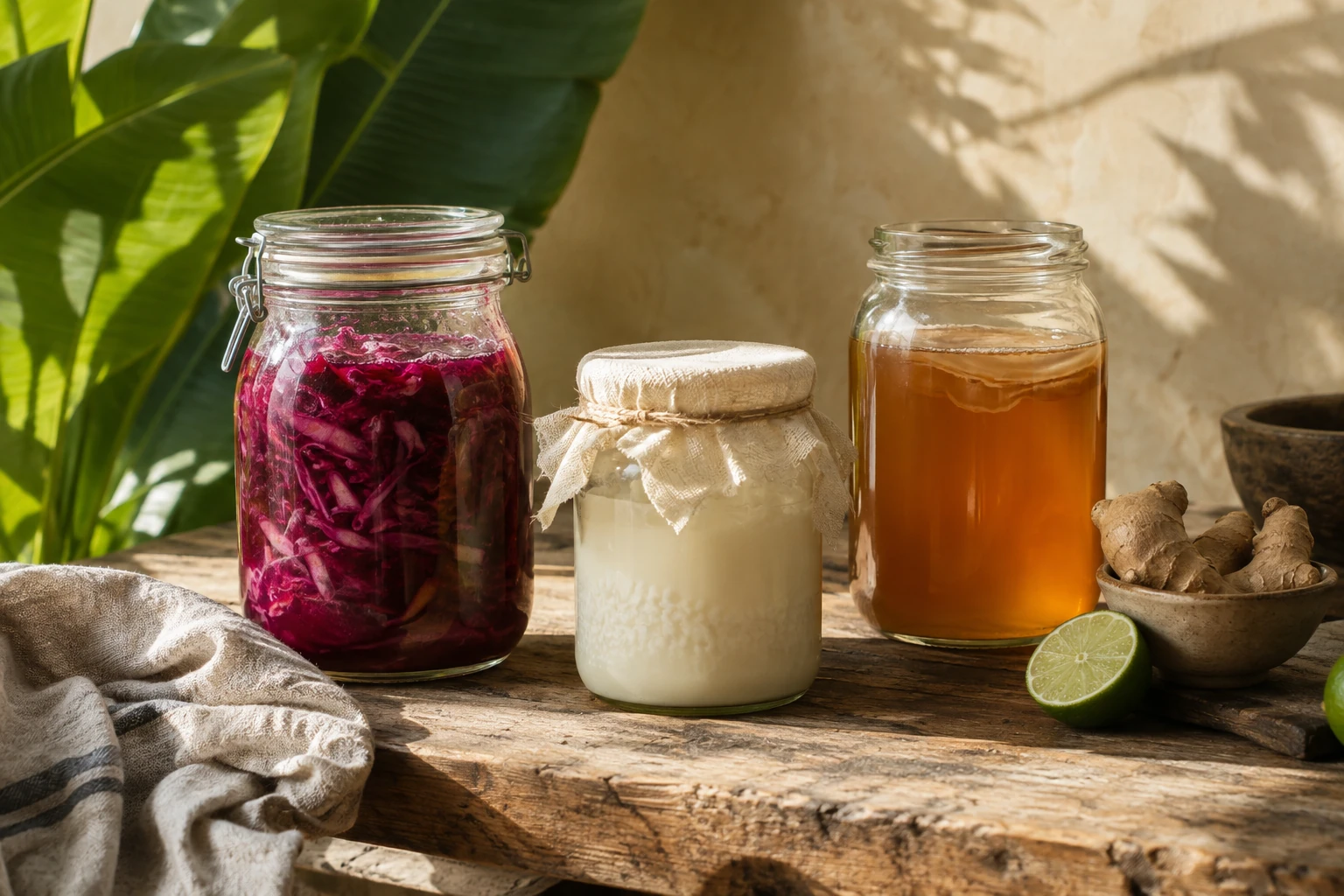
You don't need a shelf full of jars. Begin with one thing you are curious about, and give it a little room.
What would you like to make?
Start with something you would enjoy eating. Then find a complete, reliable method and check that you can provide the ingredients, equipment, and conditions it calls for.
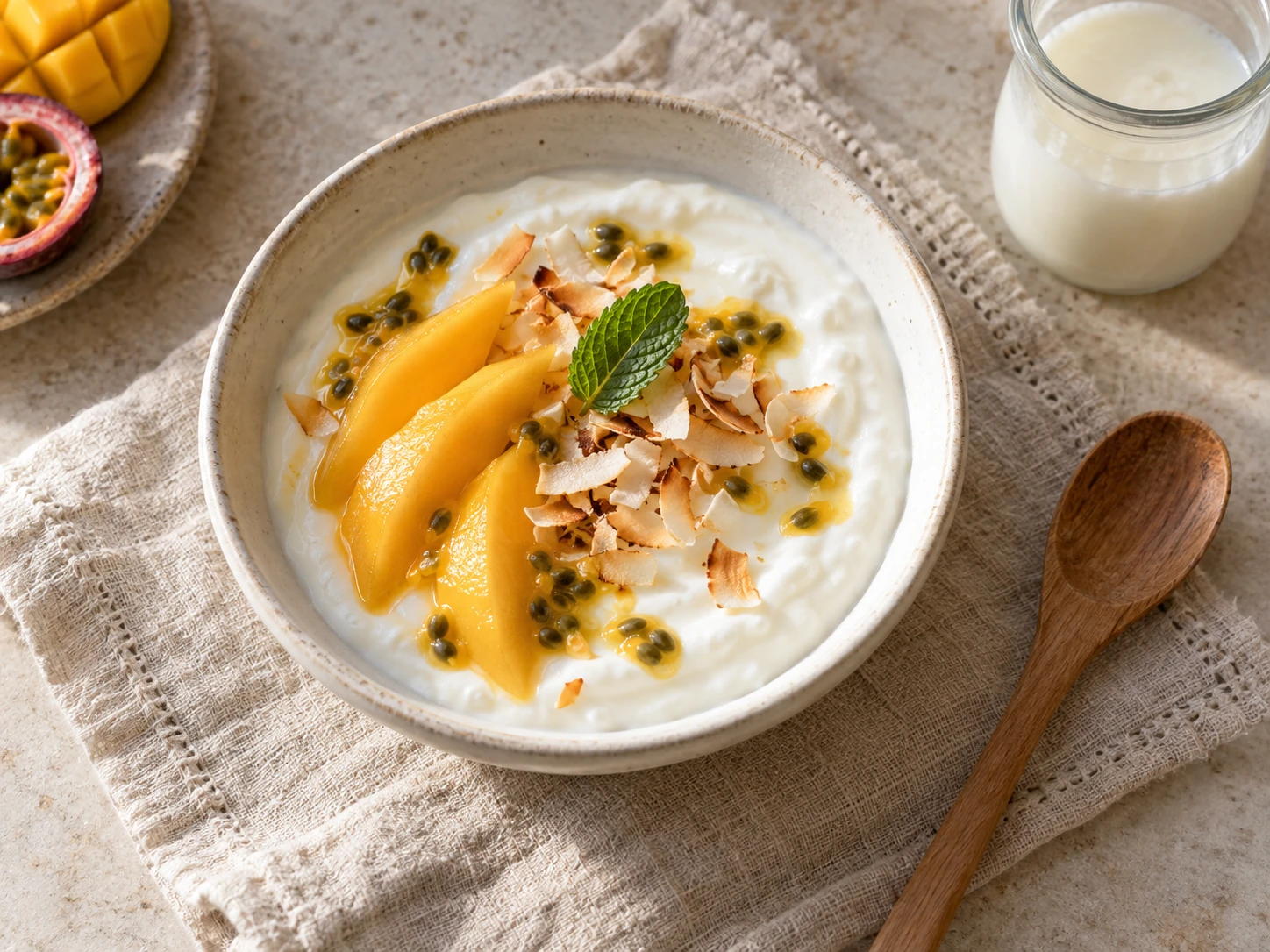
A little jar of milk kefir.
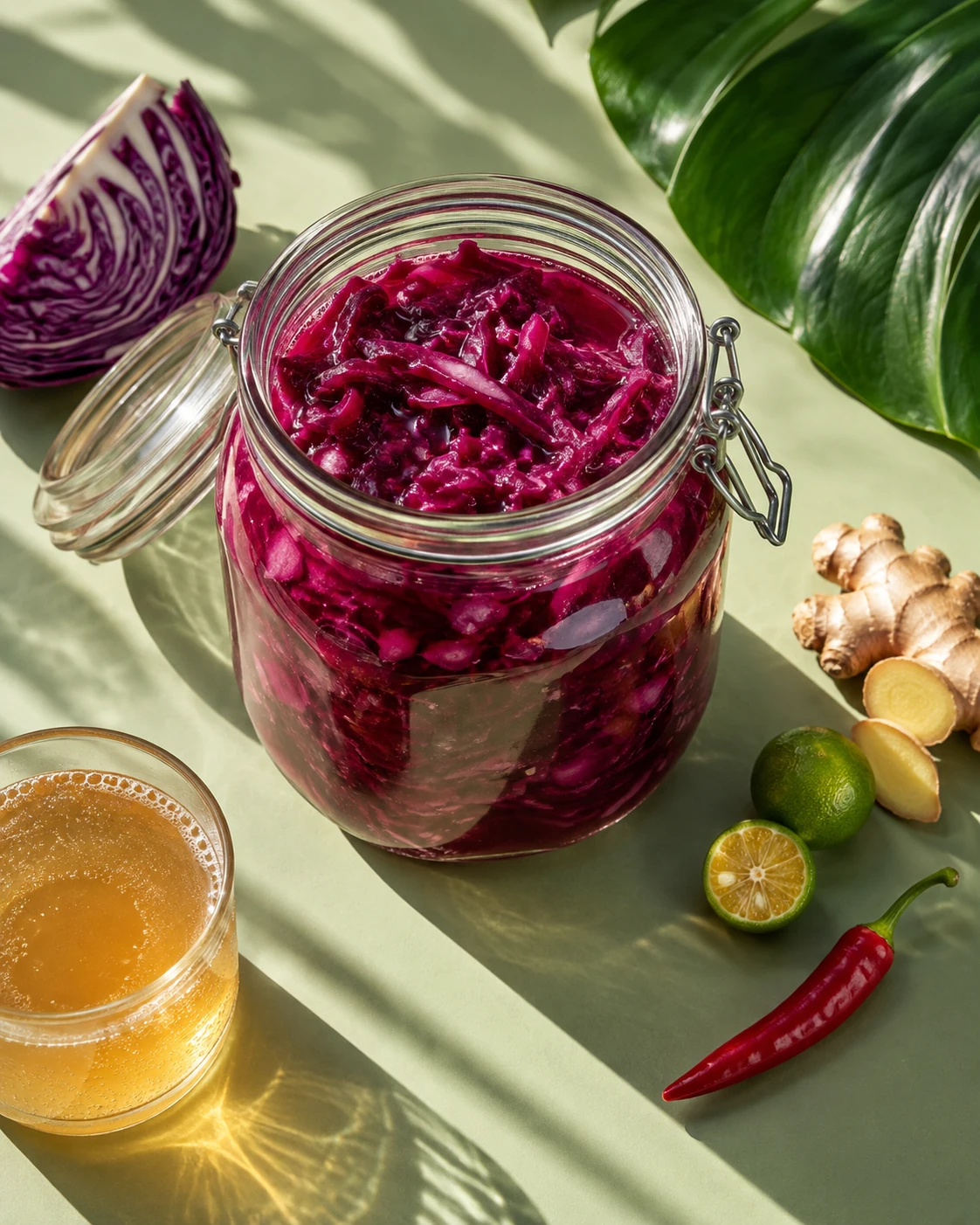
The extraordinary, ordinary cabbage.
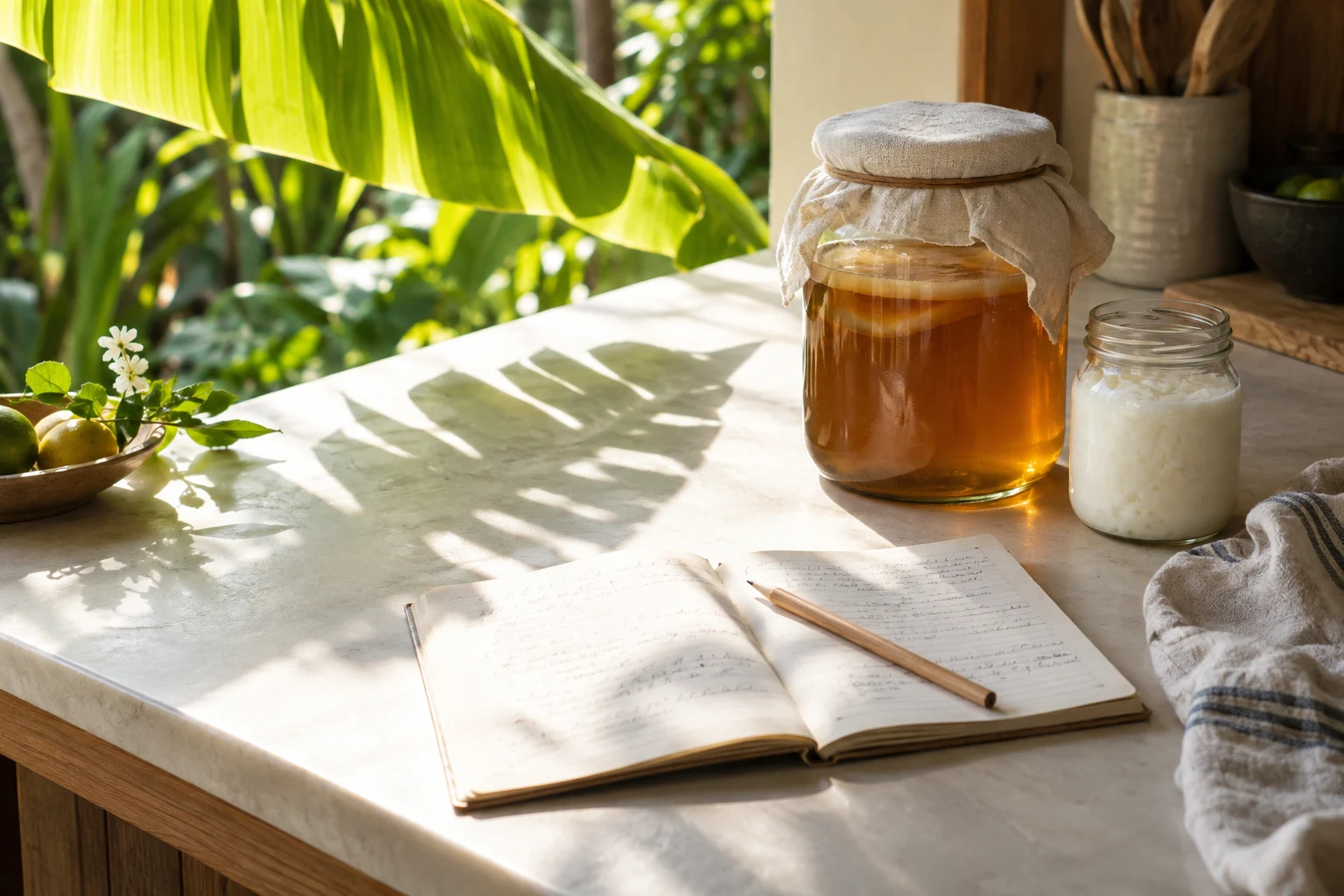
Keep the method close, and leave room for your notes.
Set yourself up for a good beginning.
Read once before you start.
Follow the method from ingredients to storage. Resolve missing or unclear instructions before preparing the food.
Make room for the conditions.
Check the temperature requirements against a measurement in your kitchen. Gather the specified equipment.
Keep the source beside you.
A complete method is more useful than a remembered snippet. Follow the specified quantities and checks.
Write a small batch note.
Record the source, ingredients, start time, and temperature. Leave space for the observations the method asks you to make.
A little learning goes a long way.
Questions are part of the process. Some are about flavour and technique; some concern food safety. Keep those distinctions clear, and use a reliable food-preservation reference for the latter.
The most satisfying first project is one you have the time and setup to follow carefully. There will be plenty of time for the next jar.
Sources & further reading
- National Center for Home Food Preservation ↗ — Fermentation resources and tested methods.